


 Eight minutes on foot puts you at the docks right as the marina crew pulls boats off their slips.
 Lake Playbook
A pontoon day
Reserve a pontoon through Taylorsville Lake Marina and build your day around its rental arrangements. The marina also has a store, fuel, bait and a grill.
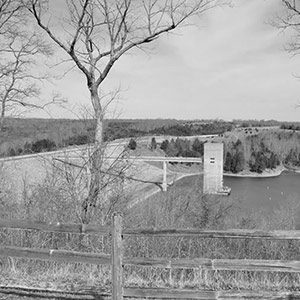
Cottage 37 overlooks a 3,050-acre reservoir the U.S. Army Corps of Engineers carved out of Salt River farmland to protect Louisville from floods and unlock new recreation.
Before the dam, this valley grew Burley tobacco, ferried livestock across the Salt River, and held the unincorporated town of Van Buren. Corps crews purchased homesteads, relocated cemeteries, and reshaped hillsides so Louisville could avoid another 1937-style flood.
Think of this guide as your cheat sheet: why the lake exists, what remains beneath the waterline, and how to plan modern adventures that still respect that heritage.
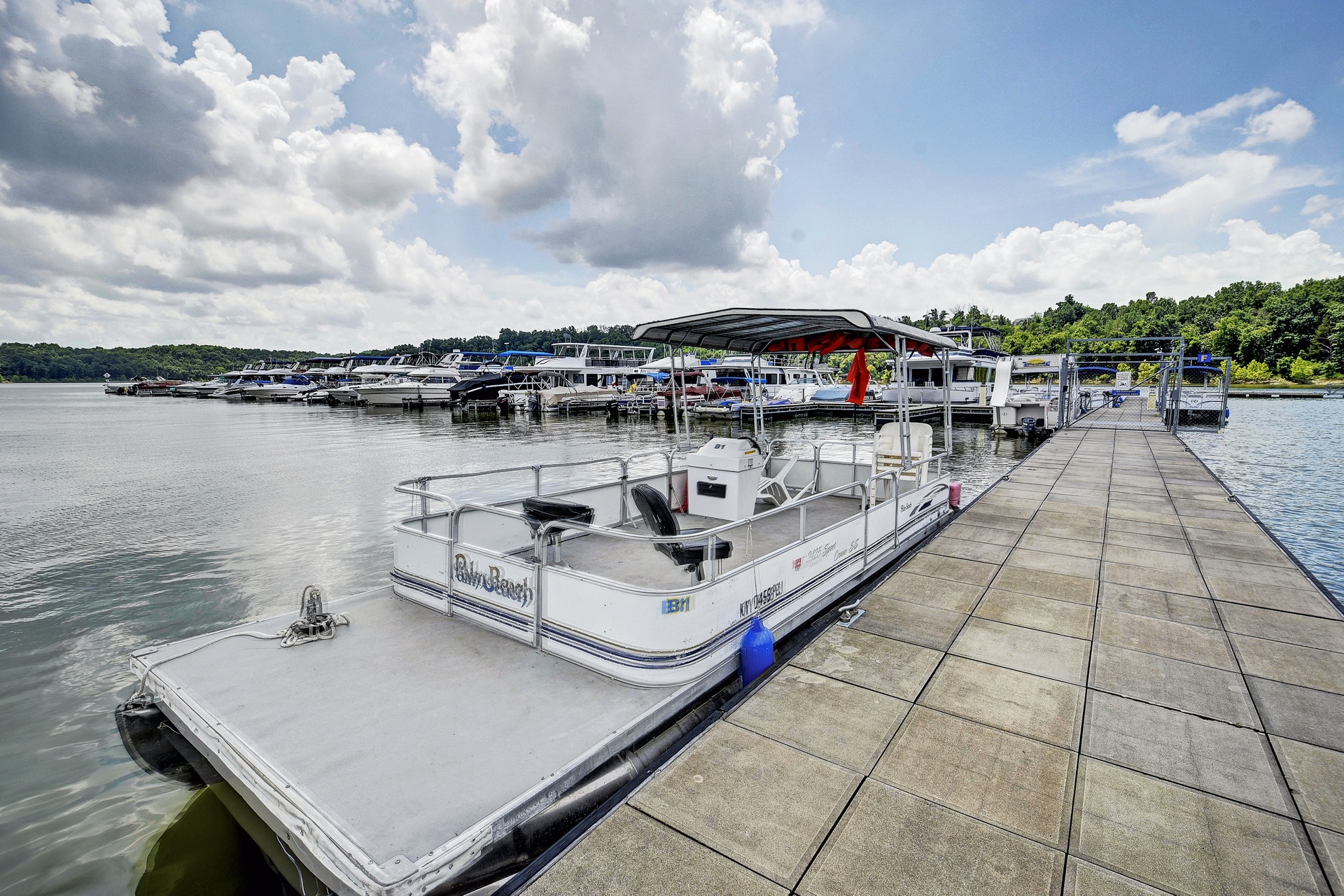
Eight minutes on foot puts you at the docks right as the marina crew pulls boats off their slips.
Leave room for lake time and a quiet evening at Cottage 37. Save nearby ideas in the trip planner and check availability for your stay.
Check current hours, reservations, prices and access requirements directly with each operator.
Choose an outing that fits your group, the weather and current operating conditions.
Reserve a pontoon through Taylorsville Lake Marina and build your day around its rental arrangements. The marina also has a store, fuel, bait and a grill.
Start at the Corps visitor center for exhibits and dam views. Its three marked trails total 2.5 miles; choose a walk or pause for a picnic.
The downstream Tailwater recreation area offers fishing and picnic facilities. Make this a relaxed local stop before a meal in Taylorsville.
Taylorsville Lake State Park offers hiking, mountain biking, horse trails and wildlife watching. Pick your trail from the park map before setting out.
The lake serves several public purposes beyond recreation.
Follow current notices and posted instructions when visiting the lake.
Flood control is a purpose of the Corps project.
The project provides quality water storage.
Recreation and fish and wildlife preservation are also project purposes.
Key dates from the U.S. Army Corps of Engineers project history.
The Flood Control Act authorized the project.
Dam construction began.
Dam construction was completed.
Explore the lake’s local history and official project records.
The Corps describes a short historical trail with the old Ashes Creek schoolhouse and Yates cabin, moved from the area that became the lake.
Need a deeper dive? VisitTaylorsville and local historians host seasonal programs, and we're happy to connect you.


 Lake Stewardship
 Expanded Timeline
 Local Heritage
 Need a deeper dive? VisitTaylorsville and local historians host seasonal programs, and we're happy to connect you.